

Digital records are now a standard part of healthcare delivery in the United States, but access to those records is not always patient-friendly. Health information is often stored across multiple systems, making it difficult for individuals to retrieve a complete medical history when receiving care outside their usual provider. The Office of the National Coordinator for Health Information Technology reports that over 80% of office-based physicians use electronic health records, yet patient access to consolidated health data remains limited.
As healthcare has become more fragmented, spanning primary care clinics, specialists, hospitals, laboratories, and pharmacies, patients are increasingly expected to take an active role in managing their care. This shift has made reliable access to personal health information essential. Personal Health Records (PHRs) emerged to address this gap by providing individuals with a way to view, manage, and share their health data. In the US healthcare system, PHRs play an important role in supporting patient awareness, improving safety, and enabling more informed participation in care decisions.
This blog explains what PHRs are, how they work, and why they are becoming an essential part of patient-centered healthcare.
What is a PHR in Healthcare?
A Personal Health Record (PHR) is a digital record that contains health-related information controlled by the patient, rather than by a healthcare organization. Its purpose is to help individuals collect and organize their medical information in one accessible place.
Unlike clinical systems used by providers, PHRs are designed for patient understanding and use. They may include information entered directly by the patient, data imported from healthcare providers, or both. The defining feature of a PHR is patient ownership. Individuals decide what information is included, how it is updated, and who is allowed to view or share it. This patient-centered approach supports greater transparency and engagement in healthcare.
Why Personal Health Records are Important for Patients
The problem:
Patients often receive care from multiple providers who may use different record systems that do not always communicate effectively.
The risk:
Incomplete or missing information can lead to repeated tests, medication errors, and treatment delays. Research has shown that gaps in information during care transitions are a significant contributor to preventable medical errors, particularly for patients with chronic conditions.
The benefit:
Personal Health Records help patients maintain a consistent and accurate view of their health history. Studies consistently show that patients who can access their health information are more likely to understand their conditions, follow treatment plans, and participate in shared decision-making. PHRs support patient confidence and continuity of care across settings.
How a Personal Health Record Works
A Personal Health Record typically functions through a straightforward process:
- Information entry: Health data is entered by the patient or imported from provider systems
- Secure storage: Information is stored digitally using security measures such as encryption
- Patient access: Individuals can review diagnoses, medications, and test results at any time
- Selective sharing: Patients decide when to share information with healthcare providers or caregivers
This workflow allows patients to carry their health information across different healthcare environments, supporting safer and more coordinated care.
Types of Personal Health Records
Personal Health Records are generally grouped into three categories:
- Standalone PHRs
These are fully managed by patients and require manual data entry. While they offer maximum control, they rely on patient accuracy and regular updates. - Tethered PHRs (Patient Portals)
These are linked to a healthcare provider’s electronic system. Patients can view lab results, medications, and visit summaries, but may have limited ability to combine data from other providers. - Interoperable PHRs
These are designed to collect information from multiple healthcare sources, creating a more complete picture of a patient’s health history across care settings.
Each type serves different patient needs depending on access, connectivity, and care complexity.
PHR vs EHR Key Differences
| Feature | PHR (Personal Health Record) | EHR (Electronic Health Record) |
| Main user | Patient | Clinicians and healthcare staff |
| Who updates it | Patient (and sometimes imported data) | Providers and clinical teams |
| Goal | Patient access, understanding, and sharing | Clinical care documentation + operations |
| Where it lives | Patient-facing app/portal or personal system | Hospital/clinic health IT system |
| How far does it travels | Can follow the patient across providers | Usually stays within one organization/network |
| Typical content | Meds, allergies, history, labs (view/download), patient notes | Visit notes, orders, results, coding, and billing-related documentation |
| Big idea | Patient-controlled record | Provider-controlled clinical record |
Benefits of Using a Personal Health Record
Personal Health Records offer several meaningful advantages for patients:
- Improved care coordination: Providers can make better decisions with complete and accurate information
- Medication safety: Up-to-date medication lists help reduce duplication and harmful interactions
- Emergency readiness: Critical information is available when patients cannot communicate
- Patient engagement: Engaged patients are more likely to manage chronic conditions effectively
National surveys indicate that patients who actively use digital health tools report higher satisfaction and confidence in managing their care.
What Information is Stored in a PHR?
A Personal Health Record may include a wide range of information:
Clinical data
- Diagnoses and medical conditions
- Laboratory and imaging results
Treatment information
- Medications and known allergies
- Immunization history
Personal health details
- Family medical history
- Lifestyle and wellness notes
Having this information organized in one place supports better communication and informed healthcare decisions.
How Can Patients Access and Use a PHR?
Patients can access Personal Health Records through patient portals, mobile health applications, or independent digital platforms. The Centers for Disease Control and Prevention recommends that individuals maintain personal copies of important health information, especially for ongoing or complex conditions.
To use a PHR effectively, patients should:
- Review records regularly for accuracy
- Update information when medications or conditions change
- Share relevant data with healthcare providers during visits
Consistent use improves both accuracy and long-term value.
Is PHR Data Safe and Secure?
Is PHR data protected?
Most reputable PHR systems use encryption, secure authentication, and access controls to protect sensitive information.
What laws apply in the US?
Healthcare data protection is governed by the Health Insurance Portability and Accountability Act (HIPAA), which establishes standards for privacy and security in covered healthcare systems.
What role do patients play?
Patients are responsible for choosing secure platforms, using strong passwords, and understanding data-sharing permissions.
Challenges of Personal Health Records
Despite their benefits, Personal Health Records face several challenges:
- Interoperability gaps: Not all systems exchange data smoothly
- Digital access barriers: Some patients lack reliable internet or digital skills
- Incomplete records: Not all care settings are captured
- Privacy concerns: Third-party platforms vary in protection standards
Addressing these challenges requires continued policy development, technical standards, and patient education.
Conclusion
Personal Health Records help make healthcare more patient-centered in the United States. By giving individuals access to their own health information, PHRs support awareness, safety, and more informed participation in care decisions.
While challenges remain, such as keeping records complete, accurate, and easy to use, PHRs continue to help patients stay organized and prepared across different care visits.
If you do not already have a Personal Health Record, start today using your provider’s patient portal or a secure way to store key details (medications, allergies, immunizations, and recent test results). At your next visit, ask how you can access and download your records and keep them updated. If your clinic uses CalOne EHR, request portal access so you can view results, track medications, and manage your information in one place.
Care within reach
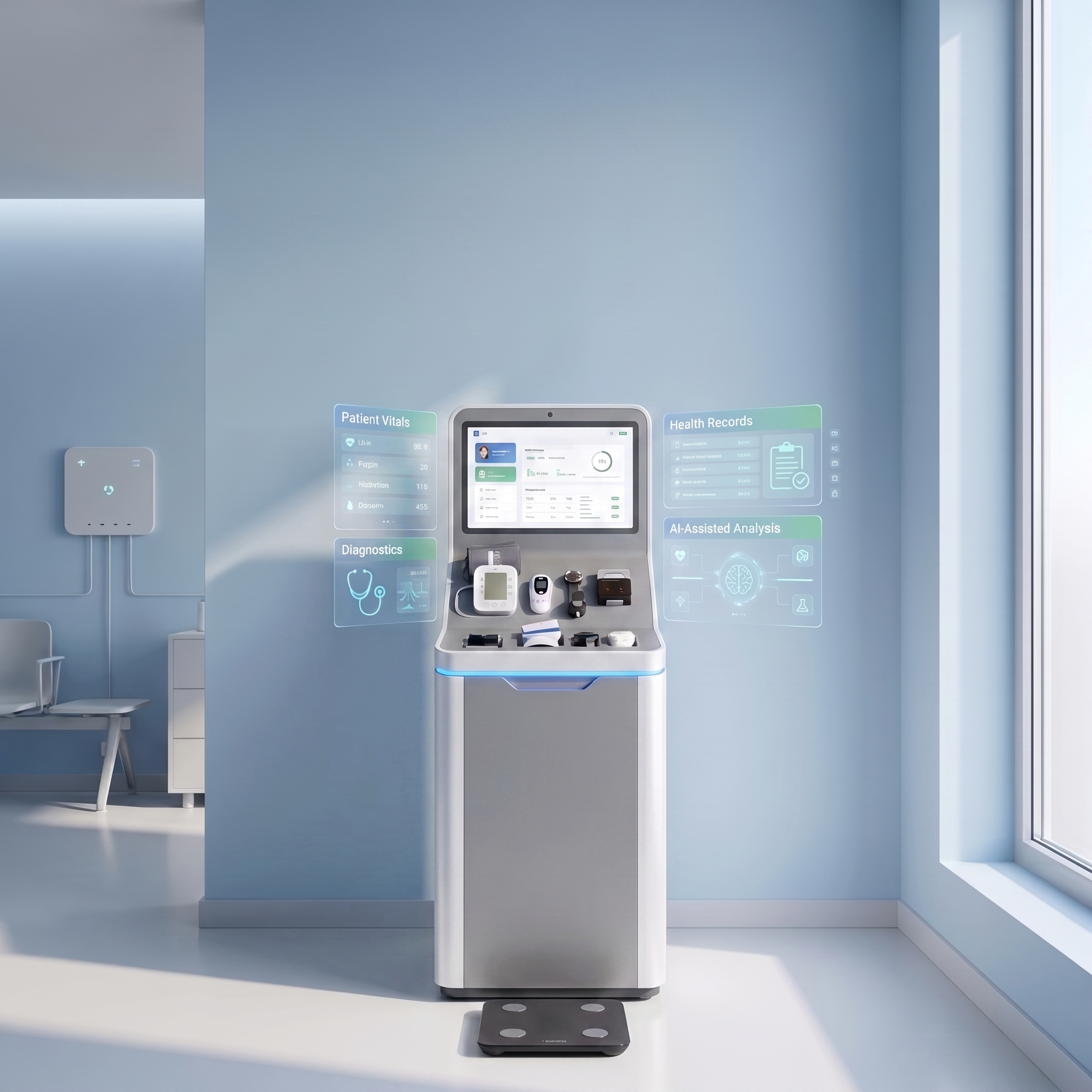
Rapid on-site intake and automated vital capture — 69+ screening tests at the point of care.
Clinical command
Streamlined clinical workflows and facility operations — every record, visit, and order in one system.

Health in hand
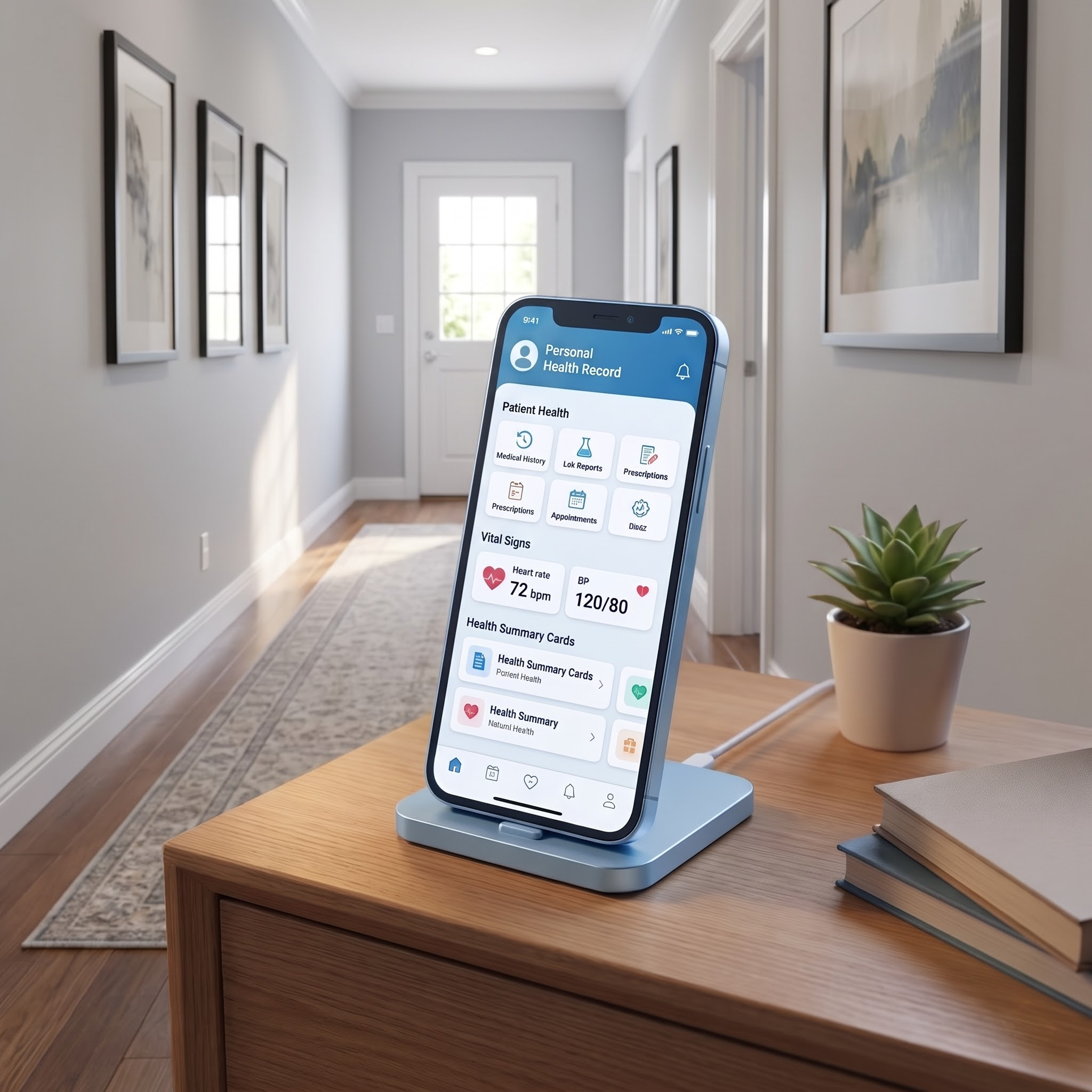
Continuous patient engagement and health record ownership — one secure, portable health journey.
Intelligence for care
Automated clinical decision support and early risk detection from the complete patient record.