
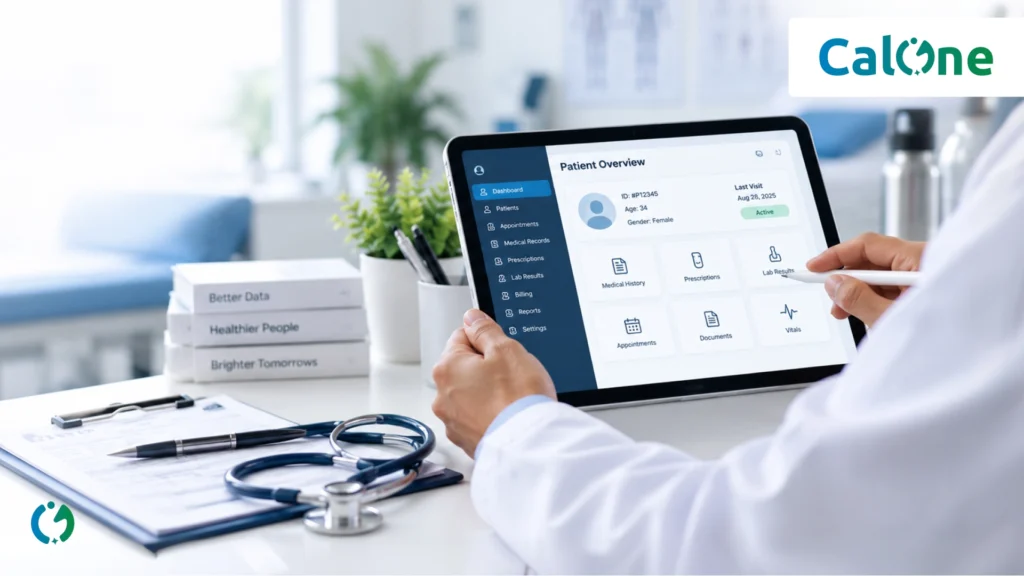
In the United States, the average patient’s health information is spread across multiple clinics, hospitals, laboratories, and pharmacies. When that information cannot be accessed at the right time, care can be delayed, or mistakes can occur. In fact, studies from the Office of the National Coordinator for Health Information Technology show that more than 4 out of 5 office-based physicians in the US now use electronic health records (EHRs) to manage patient data and support clinical decisions.
This shift marks a significant change from the past. Before EHRs became widely adopted, medical records were largely paper-based or stored in isolated digital systems. Information was often incomplete, difficult to share, and prone to loss or duplication. As healthcare grew more complex and patient safety became a national priority, EHRs emerged as a critical tool to improve data accuracy, care coordination, and continuity across the US healthcare system.
What is an Electronic Health Record (EHR)?
An Electronic Health Record (EHR) is a secure digital health file that stores a patient’s information over time and is built to support care across multiple locations, not just one clinic or one visit. Think of it as a living record that grows with the patient, helping different care teams stay aligned.
What an EHR typically contains
Instead of being limited to a single encounter, an EHR can pull together key clinical details such as:
- Diagnoses and problem lists
- Medications, allergies, and immunizations
- Clinical notes and care plans
- Lab results and imaging reports
- Vital signs and medical history
- Referrals, discharge summaries, and follow-up instructions
What makes an EHR different from “digital notes”
An EHR is not just a place to store information. It is designed to help clinicians use information at the right moment by organizing data clearly and supporting safer decisions. For example, an EHR may:
- Show recent lab trends (not just one result)
- Alert clinicians to allergies or possible drug interactions
- Keep records consistent across visits and departments
Why does this matter in real care
Here’s a common scenario: a patient sees a primary care doctor, gets lab work done, and later visits a specialist. With an EHR, the specialist can review the latest results, medications, and prior history without relying only on memory or paper printouts. That reduces delays, repeated testing, and missing details, especially when care involves multiple providers.
In short, an EHR helps create a complete, current, and shareable picture of a patient’s health so healthcare teams can deliver more coordinated care.
How does an EHR Work?
An EHR works like a secure digital hub for patient information. It is updated during every visit and can be viewed by authorized care teams when needed.
Here’s the typical flow:
- Patient visit begins: A clinician opens the patient’s record and reviews history, medications, allergies, and recent results.
- Information is entered: Symptoms, vitals, exam findings, diagnoses, and treatment plans are documented in the system.
- Orders are placed using Computerized Physician Order Entry (CPOE), allowing labs, imaging, prescriptions, and referrals to be sent electronically and tracked.
- Results come back: Test results and reports are added directly to the record, so they are easy to review later.
- Record updates over time: Each new visit adds to the same health record, creating a more complete picture of the patient’s health.
- Other providers can access it: If the patient sees a specialist or goes to the hospital, the care team can review and update relevant information, reducing repeated histories and duplicate tests.
Why this matters:
Real-time access improves communication between providers, supports faster decisions, and helps ensure care is based on the most current information available.
Key Features of Electronic Health Records
Most EHR systems include tools designed to support daily clinical work and improve patient safety. Common features include:
Structured clinical documentation that helps clinicians record patient encounters clearly and consistently
Electronic prescribing (e-prescribing) is used to reduce medication errors by checking allergies, interactions, and dosages
Integrated lab and imaging results for quick access to test findings within the patient record
Clinical Decision Support (CDS) tools that alert providers to abnormal results, preventive care gaps, and potential safety issues at the point of care.
Medication and allergy lists that stay updated across visits and providers
Patient portals that allow individuals to view test results, medication lists, visit summaries, and care instructions
Secure access controls to ensure only authorized users can view or update patient information
Why are EHRs Important in Healthcare?
Accurate and accessible information is critical to safe healthcare delivery. When patient records are incomplete or unavailable, clinicians may miss important details that affect treatment decisions.
The Agency for Healthcare Research and Quality reports that medication errors harm at least 1.5 million people each year in the US. EHRs help reduce this risk by providing clinicians with clearer, more complete information at the time of prescribing and care delivery. They also support better coordination when patients receive care from multiple providers.
Benefits of EHRs for Healthcare Providers and Patients
EHRs support both sides of care, the people delivering treatment and the people receiving it.
For healthcare providers
EHRs make day-to-day clinical work more organized and safer. They help teams:
- Find patient histories faster (even across multiple visits)
- Reduce paper handling and missing charts
- Coordinate better with specialists, labs, and other departments
- Track preventive care and chronic conditions more consistently over time
For patients
EHRs can improve the care experience by reducing delays and confusion. Patients often see benefits such as:
- Fewer repeated forms and duplicate tests
- Safer prescribing through updated medication and allergy lists
- Easier access to personal health information through portals (when available)
- Clearer follow-up instructions and visit summaries
Why it matters:
When EHRs are used well, they strengthen care coordination and support better outcomes. Research discussed in Health Affairs has linked EHR adoption with improvements in care processes and coordination, especially in settings focused on quality and continuity.
EHR vs EMR: What’s the Difference?
Although the terms are often used interchangeably, EHRs and EMRs are not the same.
| Feature | EMR (Electronic Medical Record) | EHR (Electronic Health Record) |
| Core definition | Digital version of a paper chart | Connected digital health record |
| Interoperability | Limited or none | Built for interoperability across systems |
| Data exchange | Stays within one organization | Shares data securely across providers |
| Primary role | Documentation | Care coordination + data continuity |
| Patient movement | Records do not follow the patient | Records move with the patient |
In simple terms, an EMR is a digital file, while an EHR is a connected digital record built for interoperability and coordinated care.
Common Challenges in EHR Adoption
Despite their benefits, EHRs are not without challenges.
Common issues include:
- High implementation and maintenance costs
- Learning curves for clinicians and staff
- Workflow disruptions during early adoption
- Concerns about data privacy and security
A major concern is physician burnout and increased cognitive load. Documentation-heavy workflows, excessive clicking, and long clinical notes, often referred to as “note bloat”, can reduce the time clinicians spend with patients. Surveys from the American Medical Association show that nearly half of physicians report EHR-related stress, highlighting the need for better system design and workflow optimization.
How EHRs Improve Patient Care and Data Accuracy
Newer EHR systems are also using generative AI to summarize long clinical notes, helping clinicians focus on meaningful information rather than navigating excessive documentation.
EHRs improve care in three practical ways:
Cleaner, more reliable documentation
Digital entries reduce common problems like unreadable handwriting, missing pages, and incomplete visit notes.
Built-in safety checks
Many systems flag risks in real time, such as allergy warnings, medication interactions, or abnormal test results, so issues can be addressed earlier.
Better care over time
Because the record is updated across visits, providers can monitor chronic conditions, track progress, and follow up more consistently.
Bigger impact: Accurate EHR data also supports quality improvement, public health reporting, and medical research by making health information easier to analyze and trust.
Who Uses Electronic Health Records?
EHRs are used by many people and organizations involved in patient care, not just doctors.
- Clinical care teams use EHRs every day to document visits and make treatment decisions. This includes physicians, nurses, pharmacists, and other allied health professionals.
- Healthcare organizations such as hospitals, clinics, and specialty practices rely on EHRs to keep care coordinated across departments and visits.
- Support services like laboratories and imaging centers use EHR connections to send test results and reports directly to the patient record, so providers can review them faster.
- Patients also use EHR tools through secure portals. These portals often let people check results, review medications, message their care team, and request prescription refills or appointments.
The Future of Electronic Health Records
In the US, EHRs are expected to become easier to share, easier to use, and more helpful for patients.
First, the focus is on better data sharing. When a patient visits different clinics or hospitals, their health information should move with them safely. This can reduce repeated tests and help new providers understand the patient’s history faster.
Second, EHRs are being improved to be simpler for clinicians. Many systems still take too many clicks and too much typing. Future updates aim to make screens clearer, reduce extra work, and support faster documentation.
Third, EHRs will support stronger patient access. More patients are using portals to see test results, medications, and visit summaries. Better tools and clearer information can help patients understand their care and follow treatment plans.
Finally, EHR data will be used more for prevention and long-term health, such as tracking chronic conditions, spotting health risks early, and improving care quality across communities.
Overall, the future goal is simple: make EHRs more connected, more user-friendly, and more useful for better care.
Regulatory changes are also shaping the future of EHRs. The 21st Century Cures Act prohibits information blocking, requiring EHR systems to support interoperability and patient access to health data. This policy shift is a key reason modern EHRs must prioritize secure data exchange rather than keeping information locked within one system.
Conclusion
Electronic Health Records have become a cornerstone of modern healthcare in the United States. By replacing fragmented paper charts with connected digital records, EHRs support safer care, better coordination between providers, and more informed clinical decisions.
While challenges remain, such as usability concerns, training needs, and data-sharing barriers, EHRs continue to improve as healthcare becomes more digital and more connected. Understanding the basics of EHRs helps patients and caregivers communicate more effectively, keep track of health information, and make better choices during medical visits.
Want to show up to your next appointment ready? Ask your provider for access to your patient portal, confirm your medication and allergy list is up to date, and bring a short note with your key diagnoses and recent test results. These simple habits reduce mistakes, speed up decisions, and help you get more value from every visit.
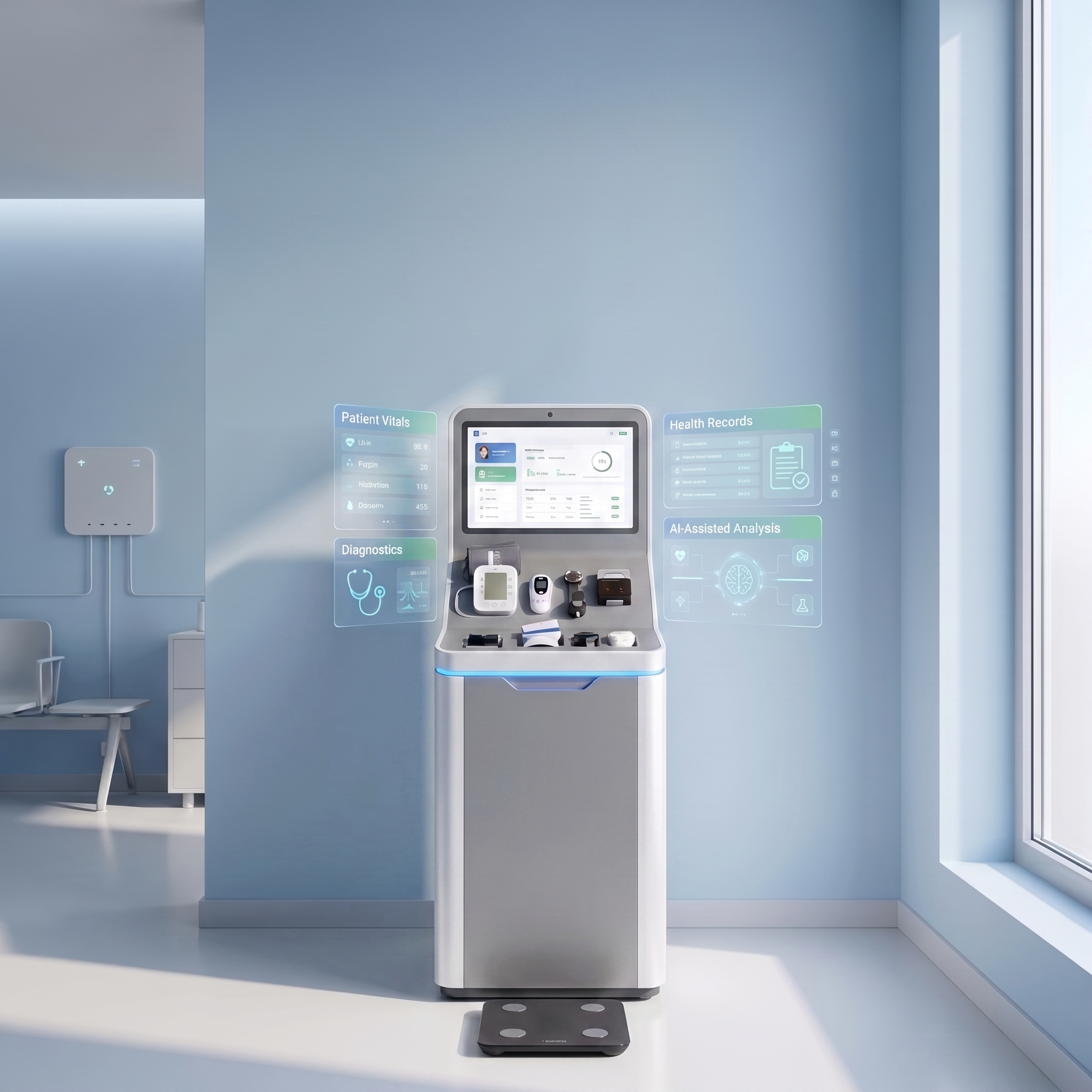
Care within reach
Rapid on-site intake and automated vital capture — 69+ screening tests at the point of care.
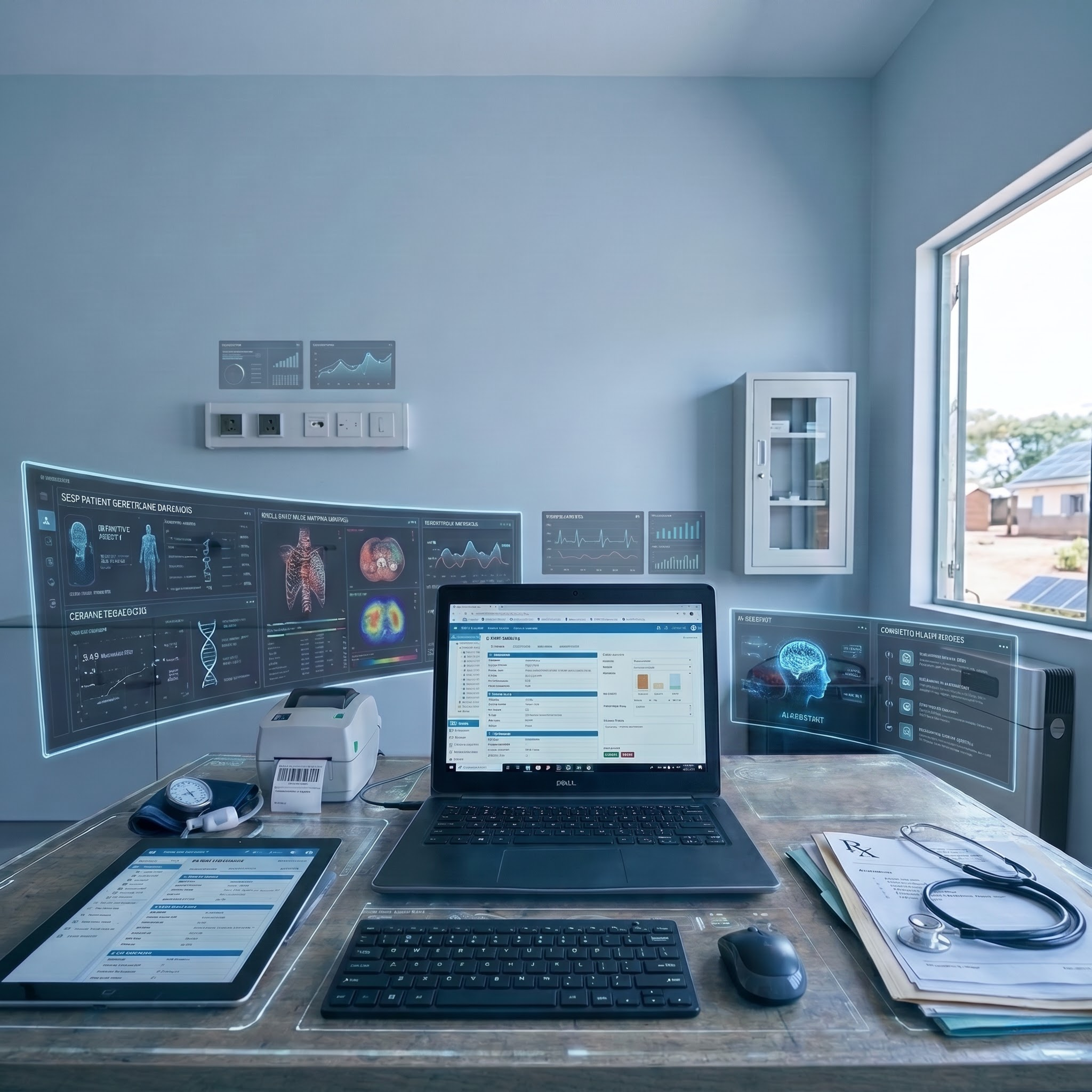
Clinical command
Streamlined clinical workflows and facility operations — every record, visit, and order in one system.
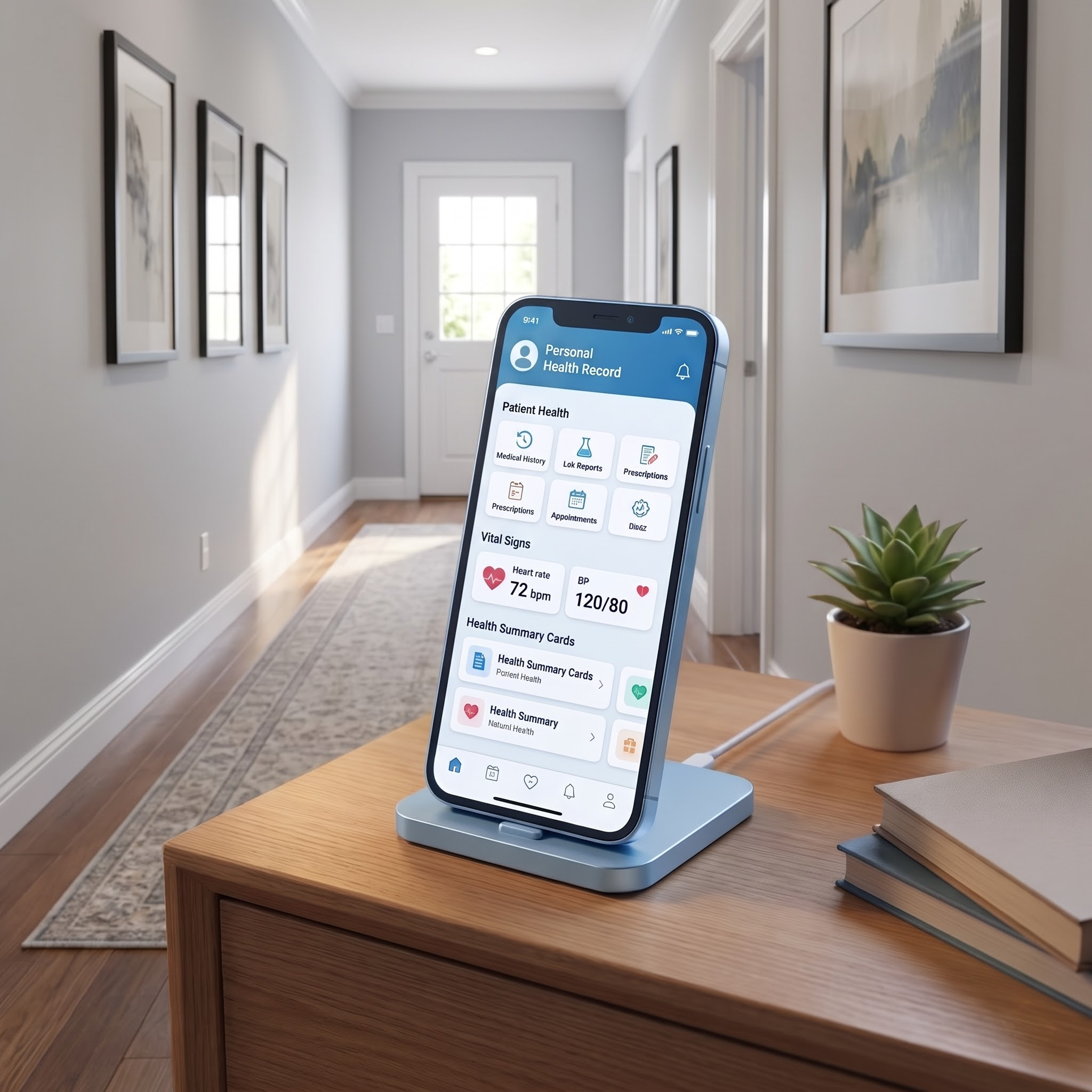
Health in hand
Continuous patient engagement and health record ownership — one secure, portable health journey.
Intelligence for care
Automated clinical decision support and early risk detection from the complete patient record.